

National Food Safety Education Month: Awareness Without Alarm
September is National Food Safety Education Month, and recent food recalls and food-borne illness stories have given many of us reason to think about what we eat and where it comes from. It’s also a reminder that food safety isn't something we should only consider as it relates to grocery stores and restaurants. What about the food sitting in the break room, the leftovers from yesterday's meeting or the cake someone brought in for a birthday? Food safety doesn't just stop at the office door.
When we eat food prepared by someone else, we're trusting their food handling practices, whether we realize it or not. How often do we think about what our hands have touched before we handle food that someone else is going to eat? What has our hands touched before we reach for the serving utensil? You don't have to become a food safety expert to create a safer workplace gathering. Sometimes it simply means thinking about how food is prepared, transported, served and stored before putting it on the break room table.
There are simple ways employers can make food centered gatherings safer and more inclusive without taking the fun out of them. Start by making sure employees understand the basics of food safety and how to prevent cross contamination in the workplace. Good intentions aren't the same thing as food safety knowledge.
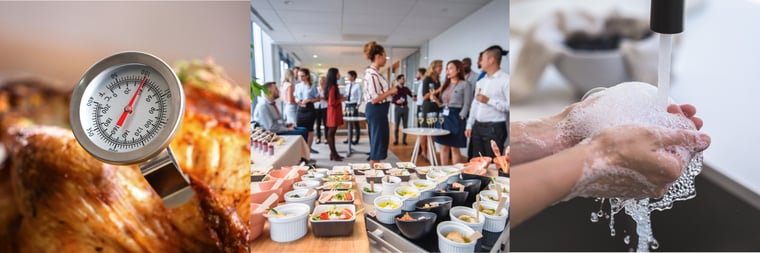
The FDA's core food safety principles are clean, separate, cook and chill. Those concepts aren't just for restaurants. They are basic principles that can be applied whenever people prepare, transport, serve or share food. Following these steps helps prevent harmful bacteria from spreading and reduces the risk of foodborne illness. They also provide some very simple workplace reminders:
- Clean: Wash hands before preparing or serving food and keep preparation surfaces and utensils clean.
- Separate: Keep raw foods away from foods that are ready to eat to prevent cross-contamination.
- Cook: Make sure foods are cooked to appropriate temperatures.
- Chill: Don't leave perishable foods sitting out indefinitely and refrigerate them appropriately.
Keep in mind, even with all the food safety boxes checked, you may still have some employees that will be hesitant to eat food prepared or brought in by others. There is social pressure associated with workplace food; saying no can feel rude but employees shouldn't have to choose between being part of the team and making a personal decision about what they are comfortable eating. As a company, you can still encourage shared meals without creating an expectation. Give people options. Participation should mean being part of the gathering, not being required to eat. Create an environment where employees can say "no thank you" to food without feeling like they're rejecting the team or need to provide an explanation. Don't make eating the measure of participation; encourage employees to sit at the table, talk with coworkers, laugh, celebrate and be part of the team without putting something on their plate.
Reflection: When your workplace serves food, is food safety part of the plan or an afterthought?
Easy Monthly Touchpoints
These can be shared via email, chat or a bulletin board.
-
Plan for Food Safety - When planning workplace meals, potlucks, or celebrations, think about food safety before the food arrives.
- Encourage Safe Food Handling - Use food centered gatherings as an opportunity to reinforce simple food safety habits. Remind employees to wash their hands before handling food, keep raw and ready to eat foods separate, and use clean utensils, containers, and serving surfaces.
- Make Room for Everyone - When providing food for employees, consider whether there is something available for those who cannot eat the primary food being served. Dietary restrictions, allergies, intolerances and personal food choices can all affect whether someone feels comfortable participating. Having alternative options can help employees feel included without needing to explain why they aren't eating.
Food-borne illnesses can affect anyone, and certain populations are at higher risk for serious complications. You don't have to stop sharing food; you just have to start thinking about food safety as a part of sharing food. Encourage everyone to think a little more intentionally about food safety when food becomes part of the workplace.
Food should bring people together, but we have to recognize that not everyone has the same comfort level, food safety knowledge, dietary needs or willingness to eat food prepared by someone else. A little awareness can help make sure your next gathering doesn't unintentionally leave someone out or make someone sick.
Compliance Update
Q2 Check-in: State Employee Leave Law Developments
Leave law didn't slow down this summer. Virginia passed both paid sick leave and paid family/medical leave laws, New Jersey expanded job protections for TDI/FLI recipients, and Maryland set its contribution rate ahead of 2027. Add in updates from Colorado, Illinois, Minnesota, New York City, and more, and it's a lot to track state by state.
Why it matters: If you have employees in any of these states, a quick policy check now beats scrambling later. Click below for the full state-by-state breakdown.
Legal Update
Florida Wage and Hour Laws
Florida's minimum wage takes its final scheduled step up this year, rising from $14 to $15 per hour effective September 30, 2026. The tipped minimum wage moves from $10.98 to $11.98, with the $3.02 tip credit staying the same. Starting in 2027, increases will shift to an annual, inflation-based adjustment each January.
Why it matters: Make sure payroll systems, posted notices, and pay practices reflect the new rate before it takes effect. Click below for the full rundown of Florida wage and hour requirements.
Monthly Engagement Calendar
Each month, we’ll spotlight a few easy, optional ways to connect, spark conversation and add a little fun to the workday. Join in whenever it works for you.
September 6th – Natl Read a Book Day
(A good book can start a great conversation.)
Engagement ideas:
- Poll: What type of book do you enjoy most: fiction, nonfiction, mystery, biography, self-help or something else?
- Conversation starter: What is one book you would recommend to a coworker?
September 9th – Natl Teddy Bear Day
(A little nostalgia can bring people together.)
Engagement ideas:
- Poll: What was your favorite childhood comfort item: stuffed animal, blanket, toy, book or something else?
- Conversation starter: Ask employees to share one thing from childhood that still makes them smile.
September 22nd – First Day of Fall
(A new season is a great excuse for a fresh start.)
Engagement ideas:
- Poll: What's your favorite part of fall: cooler weather, changing leaves, football, seasonal activities or something else?
- Conversation starter: Ask employees to share one thing they are looking forward to this fall.
September 23rd – Natl Checkers Day
(Friendly competition may be just what your team needs.)
Engagement ideas:
- Poll: Checkers or chess? Board games or card games? Strategy or luck?
- Mini challenge: Set up a checkers tournament or invite employees to challenge a coworker to a short game during a break.